
 Ruminants
  Poultry
  Swine
Swine  Fishes / aquaculture
 Pet
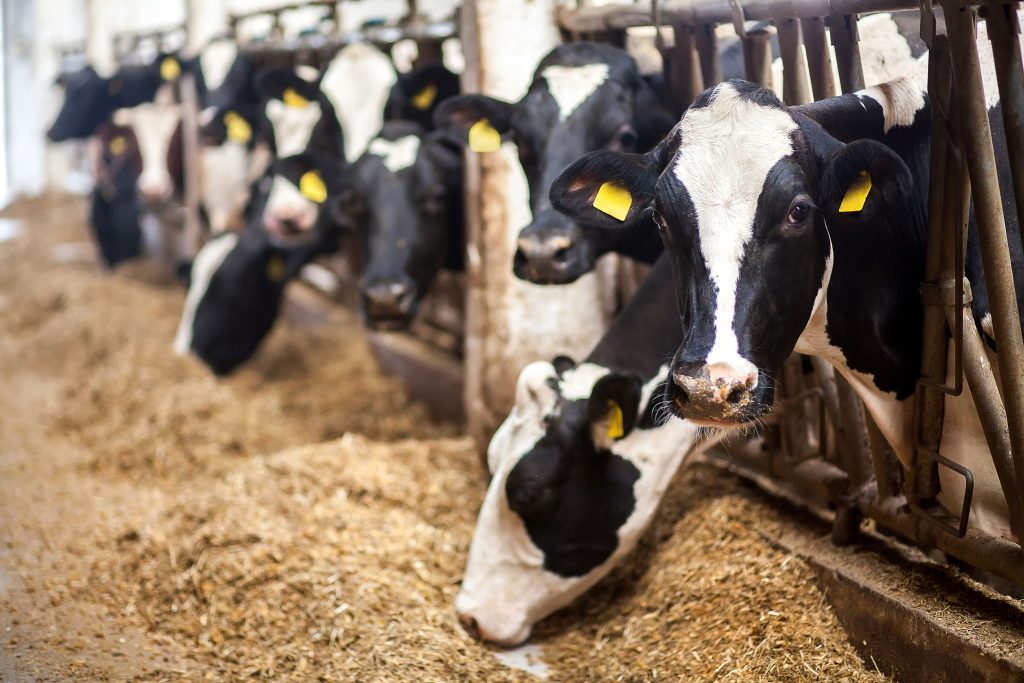
PetDisplaced abomasum (DA) is a common digestive disorder in dairy cows, particularly affecting high-producing cows in the early postpartum period. It occurs when the abomasum, the cow’s fourth stomach compartment, moves from its normal position to the left or right side of the abdomen. This displacement disrupts normal digestion and can lead to decreased milk production, health complications, and economic losses. Understanding the causes, symptoms, and prevention of displaced abomasum is essential for effective herd management.
What is displaced abomasum?
The abomasum is the true stomach of the cow, responsible for enzymatic digestion. Normally, it lies on the right side of the abdomen. In displaced abomasum, the organ shifts either to the left (Left Displaced Abomasum, LDA) or, less commonly, to the right (Right Displaced Abomasum, RDA). LDA is more frequent, accounting for about 90% of cases.
The displacement is often accompanied by gas accumulation, which causes the abomasum to balloon and move from its usual position. If untreated, RDA can progress to volvulus, a life-threatening twisting of the abomasum.
Causes of displaced abomasum
Several factors contribute to the development of DA:
- Postpartum period: the early lactation phase is the most critical time due to changes in abdominal space after calving.
- High milk production: high-producing cows have increased energy demands and are more prone to metabolic disorders.
- Dietary factors: low fiber, high concentrate diets can reduce rumen fill and motility, increasing the risk.
- Metabolic disorders: conditions like ketosis and hypocalcemia reduce abomasal motility.
- Body condition: overconditioned cows (excessive fat) are at higher risk.
- Stress and management: changes in environment, feed, or social structure can contribute.
Symptoms of displaced abomasum
Recognizing DA early can make the difference:
- Decreased appetite, especially for concentrates
- Drop in milk yield
- Reduced rumination and signs of discomfort
- Distended left or right abdomen (depending on displacement)
- Characteristic “ping” sound when percussing the abdomen
- Changes in feces consistency
Prevention and management
Preventing displaced abomasum involves nutritional and management strategies:
- Balanced diet: ensure adequate effective fiber to promote rumen fill and motility.
- Avoid sudden diet changes: gradually transition diets, especially around calving.
- Monitor body condition: avoid overconditioning cows prepartum.
- Manage metabolic diseases: prevent ketosis and hypocalcemia through proper nutrition and supplementation.
- Stress reduction: provide comfortable housing, minimize social stress, and maintain consistent routines.
- Early diagnosis and treatment: prompt veterinary intervention, including surgical correction if necessary, improves outcomes.
Conclusion
Displaced abomasum is a significant health issue in dairy cows that can impair productivity and welfare. Understanding its causes, recognizing early symptoms, and implementing preventative measures are key to reducing its incidence. Through balanced nutrition, careful management, and timely veterinary care, farmers can protect their herds from this costly disorder and maintain optimal milk production.
Order the products